Budget Stables That Last: Where to Spend and Where to Save
Find out where you can save when building horse stables, which features are worth spending more on and how to make your budget go further.
How can you save money when building stables?
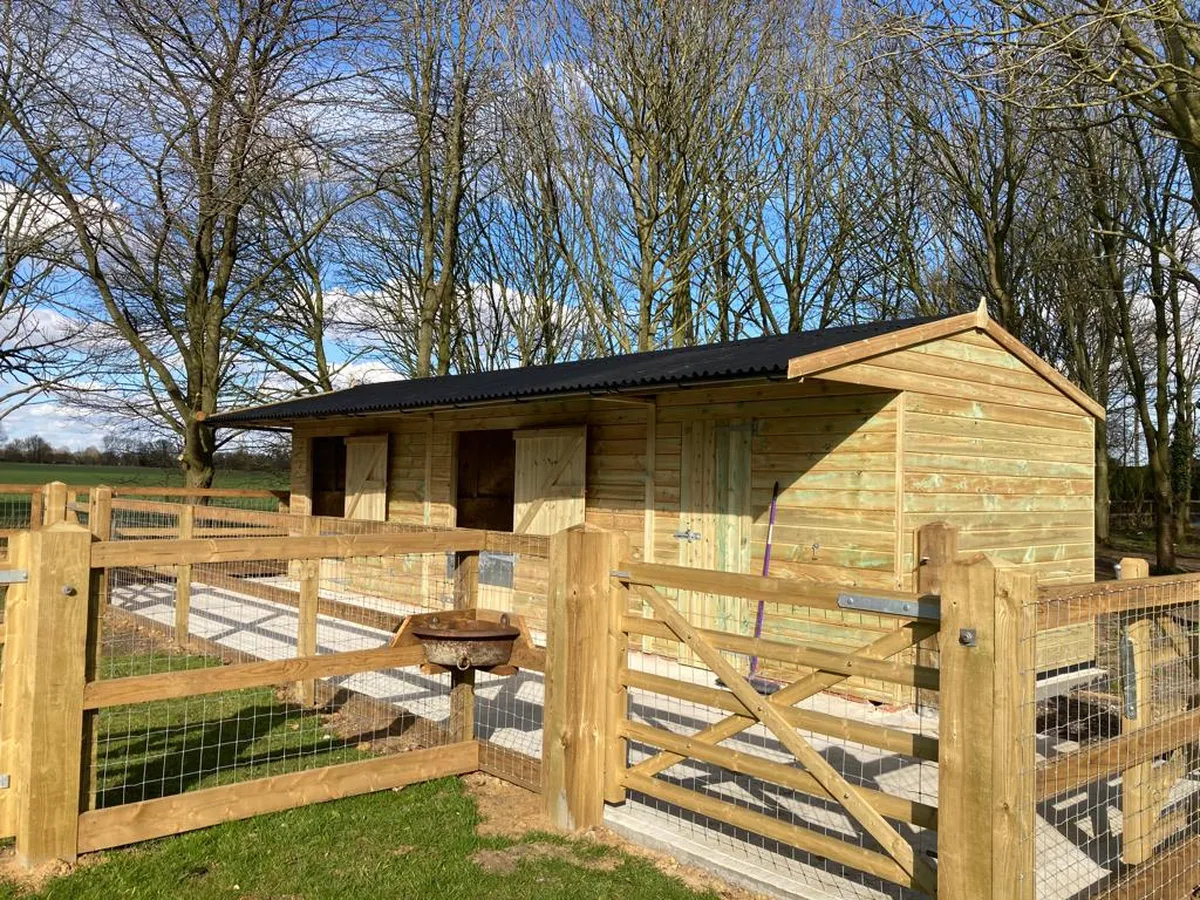
If you're building stables on a budget, you can save money by keeping the layout simple, sticking to standard sizes and avoiding extras you don't need.
The key is knowing where you can save and where cutting corners could cost more in the long run.
If you're working out your overall budget, read our guide to how much horse stables cost.
Start with what you actually need
It's tempting to plan for horses you might own one day or add extra space "just in case", but every additional box, storage room and extra feature adds to the overall spend.
Before deciding on your design, ask yourself:
- How many horses are you housing?
- Are they stabled full-time or turned out most of the day?
- Do you need dedicated storage for tack, feed or bedding?
Your answers will help you decide on the size and layout you actually need.
Keeping the layout simple and practical helps control costs without affecting how well the stables work. You can always add to the building later if you need more space.
Where to spend and where to save
Some choices can bring down the price without affecting the quality of your stables. Others are worth spending more on from the start.
Where you can save:
- Simple layouts
- Standard stable sizes
- Practical finishes
- Unnecessary extras
- DIY installation, if suitable.
Where you shouldn't cut corners:
- Structural framing
- Pressure-treated timber
- Kickboards and internal protection
- Ventilation
- Groundworks and drainage.
Where can you save money on horse stables?
Keep the layout straightforward
Simple stable blocks are usually more cost-effective than L-shaped or U-shaped designs. If you don't need a more complicated layout, a straight run of boxes can keep the overall cost down.
Stick to standard sizes
Custom dimensions can increase the amount of timber and manufacturing work needed. Standard stable sizes are generally more economical and will be suitable for many horses.
Make sure the stable is still large enough for your horse. Our article about choosing the right stable size explains what to consider.
Choose practical finishes
You can keep costs down by choosing simple, practical finishes.
For example, a durable sheet roof gives your stable the weather protection it needs without paying more for a premium roofing option.
Avoid extras you don't need
Upgrading every detail can quickly push up the cost of your stables without making much difference to how you use them.
Think about which additional doors, windows, partitions, storage areas and other options you'll actually use before adding them to your design.
What shouldn't you cut corners on when building stables?
Structural framing
The strength of timber stables comes from the framing. Thinner sections may reduce the upfront cost, but a strong frame will stand up better to everyday use and the weather.
For example, Colt timber stables use 75mm × 50mm structural framing as standard.
Timber treatment
Timber stables spend their whole life exposed to the weather, so proper treatment matters.
Choose pressure-treated timber to help protect the building against rot and insect damage.
Kickboards and internal protection
Horses kick, lean, chew and rub against their stables, so internal walls need to cope with everyday wear.
Strong kickboards cost more initially but give the areas your horse comes into contact with more protection.
Roof overhang and weather protection
A wide overhang helps protect stable fronts, doors and entrances from driving rain.
Good guttering is also worth including to carry rainwater away from the building and stop it collecting around the base.
Ventilation
Horse stables need good airflow. Trying to save money by cutting back on ventilation features like top doors, windows and vents, can leave you with a stable that's harder to keep fresh and dry.
Make sure your design allows fresh air to move through the stable without creating uncomfortable draughts around your horses.
You can find more advice in our guide to preventing mould and damp in horse stables.
Are cheap stables good value?
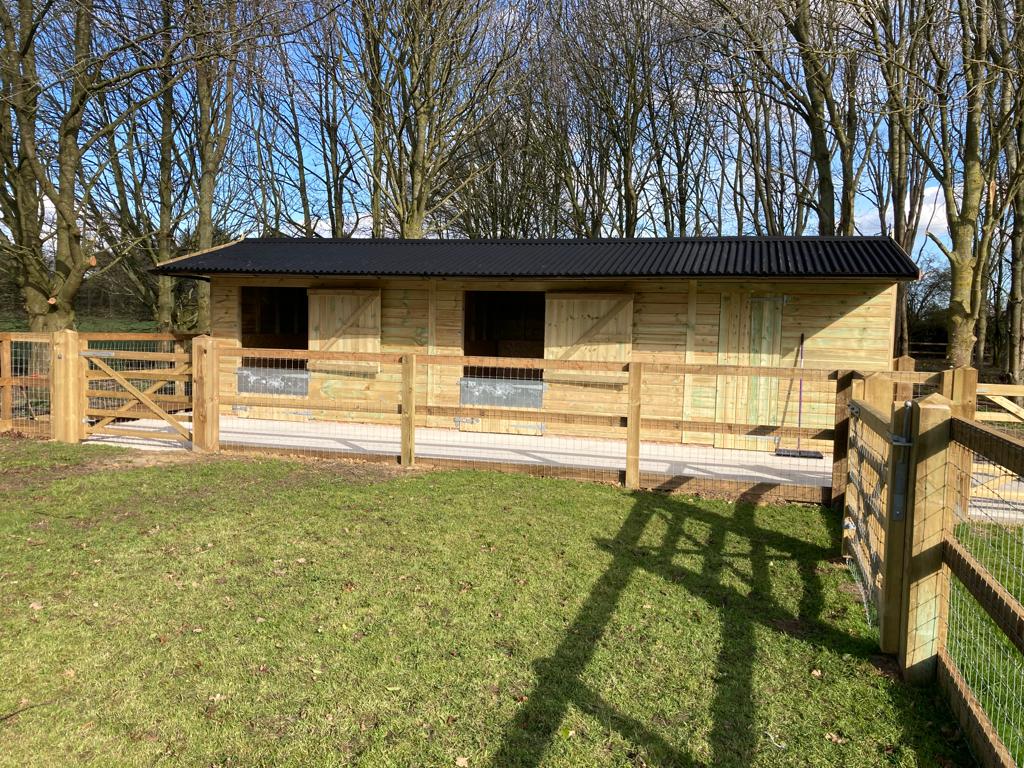
Cheap stables can still be good value if the lower price comes from choosing a simple design, standard sizes or fewer extras rather than cutting back on the quality of the building.
When comparing quotes, don't look at the final price alone.
Check what you're actually getting for your money, including:
- The size and thickness of the structural framing
- The type and thickness of the cladding
- Whether the timber is pressure treated
- What internal lining or kickboards are included
- The roofing material
- Doors and fittings
- Guttering and overhangs
- Delivery and installation.
A stable that costs less initially but needs frequent repairs or replacement parts may end up costing you more over time.
Look for good value rather than simply choosing the lowest quote.
Don't skip site preparation
Good site preparation can cost more upfront, but it's not an area where we'd recommend cutting corners. Getting the ground right from the start can help prevent drainage and stability problems later.
Choose firm, well-drained ground where possible. Depending on your site, you may need to budget for levelling, drainage, hardstanding or a suitable base before your stables are installed.
Don't overlook planning requirements
Planning can also affect the overall cost of your project.
Depending on what you're building, where you're putting it and how the land is used, you may need planning permission for your stables.
Check the planning requirements before you order your stables. This can help you avoid having to make expensive changes later.
Could mobile stables save you money?
Mobile stables can be worth considering if you want to keep groundwork to a minimum.
Mobile stables can usually be installed without a permanent concrete base, which can reduce the amount of groundwork needed. This can reduce the amount of site preparation you need.
They also give you more flexibility if you want to move your stables around your land later.
Take a look at our mobile stables to see how they work.
When could a field shelter make more sense?
If your horses live out for much of the year, you may not need a stable block. A well-built field shelter can give horses somewhere to get out of the sun, wind and rain.
A field shelter could be worth considering if:
- Your horses spend most of their time turned out
- You want a simpler setup
- You don't need individual boxes
- You want a shelter that can be moved around your land.
Take a look at our mobile field shelters for more information.
Choose your Colt timber stables
At Colt Stables, you can start with the stable size and layout you need and decide which extras are worth adding to your budget.
Our timber stables come with 75mm × 50mm structural framing, pressure-treated shiplap cladding and OSB kickboards to 1.2m high as standard. Stable blocks also include a 1.2m front canopy and guttering, so you don't need to add these separately.
You can spend more where it matters to you, with options including additional windows, vents and partitions. Or, if you're happy to assemble your stables yourself, choosing one of our DIY kits can save you around 10% on the purchase price.
Take a look at our timber stables and start planning your stable block.
Frequently Asked Questions
What is the cheapest stable layout?
A simple straight run of stables will generally cost less than a more complex L-shaped or U-shaped block of a similar size.
Is it cheaper to build stables yourself?
It can be. Choosing a DIY stable kit can reduce installation costs if you have the skills, tools and help needed to assemble it safely.
Can you add more stables later?
Yes. If your layout and available space allow, you can start with the boxes you need now and add more later. Planning for future expansion when choosing the original position can make this easier.
Should you buy the cheapest horse stables?
Price shouldn't be the only thing you consider. Compare the framing, cladding, timber treatment, roofing and what's included so you can see what you're getting for your money.