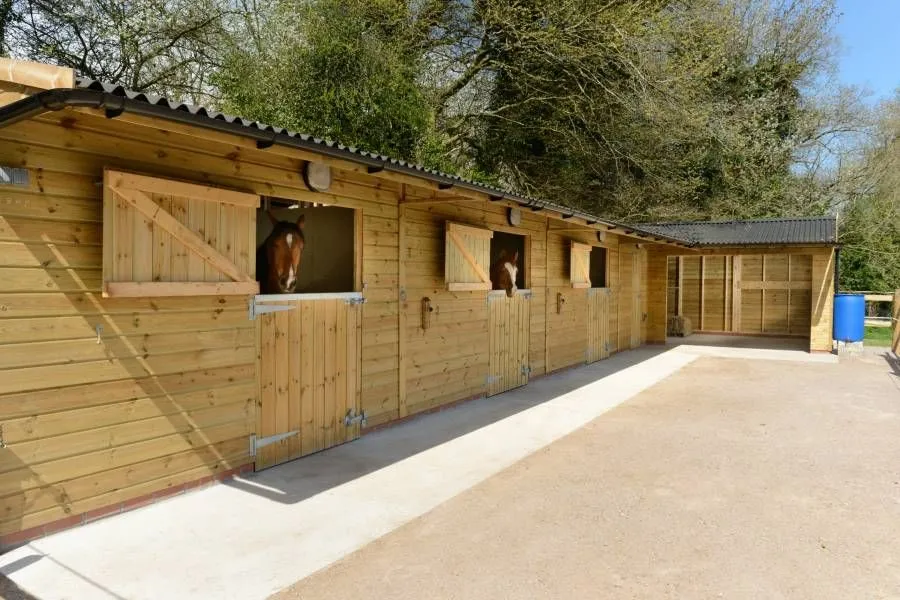
Mobile Stables and Field Shelters: What the Planning Rules Really Say
Planning a mobile stable or field shelter? Learn when planning permission may be needed, what counts as a mobile structure and what to check before you install one.
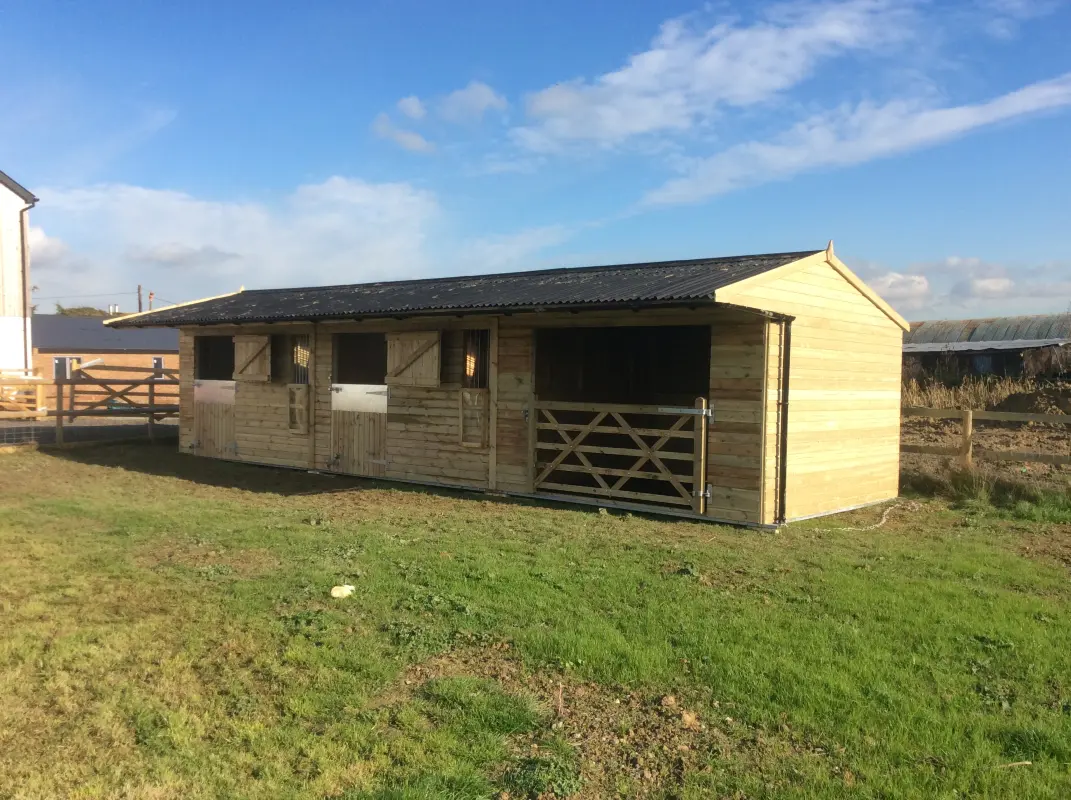
Do you need planning permission for a mobile field shelter?
You may not need planning permission for a mobile field shelter or stable if you can move it around your land and it isn't permanently fixed in place.
However, this isn't always the case. The rules will depend on the building, how you use it and what the land is currently used for.
Check with your local planning authority before you install your stable or shelter so you know where you stand.
What counts as a mobile stable or field shelter?
To be considered mobile, your stable or field shelter needs to be genuinely movable. You should be able to tow it to another part of your land without taking it apart.
Mobile stables and field shelters are usually designed with:
- Timber or metal skids rather than fixed foundations
- A tow chain or towing point
- No permanent concrete base
- No permanent connections to water, electricity or drainage.
How do councils decide if a stable or shelter is mobile?
Your local planning authority will look at the building and how you use it.
Things they will likely consider include the size, how it's attached to the ground, how long it stays in one place and if it can actually be moved.
This is why putting a building on skids doesn't automatically mean you don't need planning permission.
When you might need planning permission
Even if your stable or field shelter is movable, you may still need planning permission, depending on how you use it and where you place it.
You may need permission if:
- You're changing how your land is used - For example, changing agricultural land to equestrian use usually needs planning permission
- You're using it for a business - This could be a livery yard, riding school or another commercial equestrian business
- Your land is in a protected or designated area - Different planning rules can apply in places like conservation areas, the Green Belt and National Landscapes.
Check with your local planning authority before installing your stable or field shelter. Tell them what you're planning, where you want to put it and how you'll use it so they can advise you on whether you need permission.
It's much easier to check before you start than deal with a planning problem later.
For more information, you can read this planning guidance for stables and keeping horses.
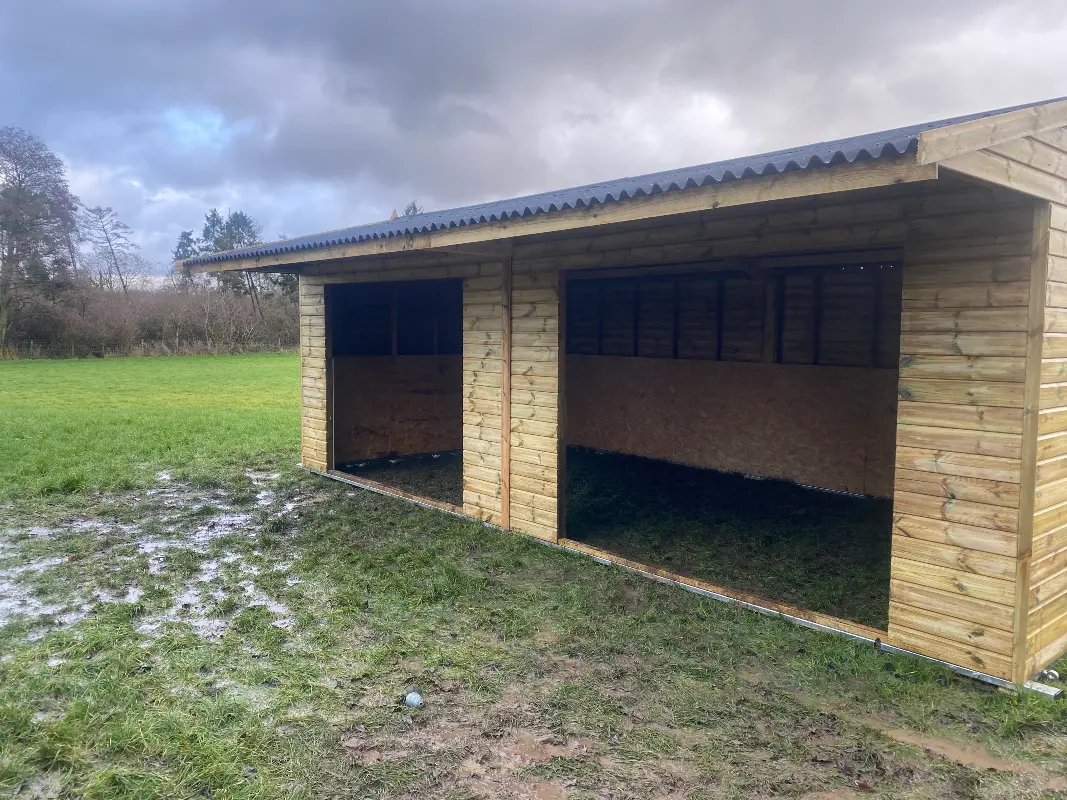
How to keep your mobile stable or shelter movable
- Move it from time to time - Moving it helps show that it's genuinely mobile and can also prevent one area of ground becoming too worn
- Keep it towable - Keep the skids, tow point and towing equipment nearby and in good condition
- Keep a record when you move it - Taking a photo every time you move your stable or shelter gives you a simple record you can show if you're ever asked.
Avoid adding permanent features around your stable or shelter that could make it harder to move, like a concrete base or a fixed water connection.
How often should you move your mobile stable or shelter?
There's no set rule for how often you need to move a mobile stable or field shelter.
What matters is how you use the structure.
Choose your Colt mobile stable or field shelter
Colt mobile stables and field shelters are built on pressure-treated timber skids, with the option to upgrade to 80mm x 80mm metal skids.
Each building comes with a tow point and heavy-duty chain, so you can move it around your land using a suitable 4x4 or tractor.
They're built using strong 75mm x 50mm timber framing and 16mm (12mm finished) pressure-treated shiplap cladding. Our mobile stables also include OSB kickboard lining to 1.2m high to protect the inside from everyday wear.
Take a look at our mobile stables and mobile field shelters, or get in touch with our team to discuss what you need.
Frequently Asked Questions About Mobile Stables And Field Shelters
Do field shelters on skids need planning permission?
No, as long as you move them regularly and the way you use them doesn’t change the use of your land.
Can you put a mobile field shelter on agricultural land?
It depends on how you use the land. If keeping horses changes the use of the land from agricultural to equestrian, you may need planning permission. Check with your local planning authority first.
Can you connect water or electricity to a mobile stable?
You can have water or electricity near your mobile stable, but avoid permanently connecting them to the building if you want to keep it mobile.
Can you put a mobile stable on a concrete base?
A permanent concrete base can affect whether your stable is considered mobile. Check with your local planning authority before laying a base or carrying out other groundworks.