How to Prevent Mould and Damp in Horse Stables
Learn what causes mould and damp in horse stables, how to spot the signs and what you can do to prevent moisture building up.
How do you prevent mould and damp in horse stables?
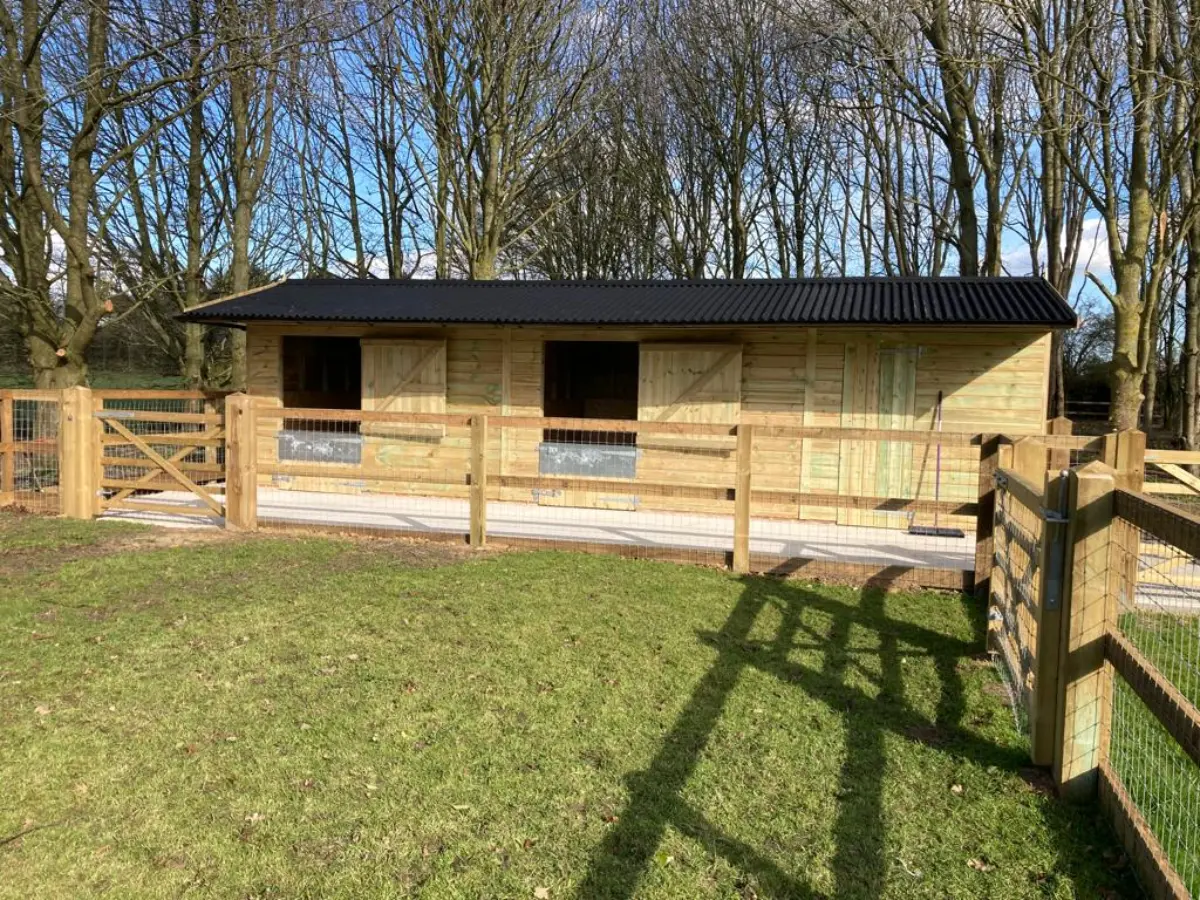
Good ventilation, regular mucking out and good drainage can all help prevent mould and damp in your stable. You should also repair roof or gutter leaks quickly and avoid leaving wet bedding or rugs inside.
What causes damp and mould in horse stables?
There are several causes of damp in horse stables, including wet bedding, poor ventilation, leaking roofs or gutters and water collecting around the stable after rain. Horses also produce moisture when they breathe, adding to the humidity inside.
If the air can't circulate and moisture can't escape, surfaces stay damp for longer. This creates the conditions mould needs to grow, especially in cooler areas such as lower walls, back corners and around windows.
Stored hay and bedding can also become damp if they're kept against wet walls, directly on a damp floor or somewhere affected by leaks.
What are the signs of damp in a stable?
Look out for:
- Condensation on windows, walls or roofing
- Damp or discoloured timber
- A musty smell
- Mould on walls, doors or around windows
- Bedding that stays damp
- Water collecting around the stable
- Leaks from the roof, guttering or downpipes.
If damp keeps coming back in the same place, try to find out where the moisture is coming from.
How do you prevent damp in horse stables?
Choose a well-drained position
Where you put your stable can make a big difference to how easy it is to keep dry.
Avoid low-lying areas where water collects after rain. Where possible, choose firm, well-drained ground and make sure water can drain away from the base of the building.
A suitable base can also help keep the timber structure away from wet ground.
Keep rainwater away from the building
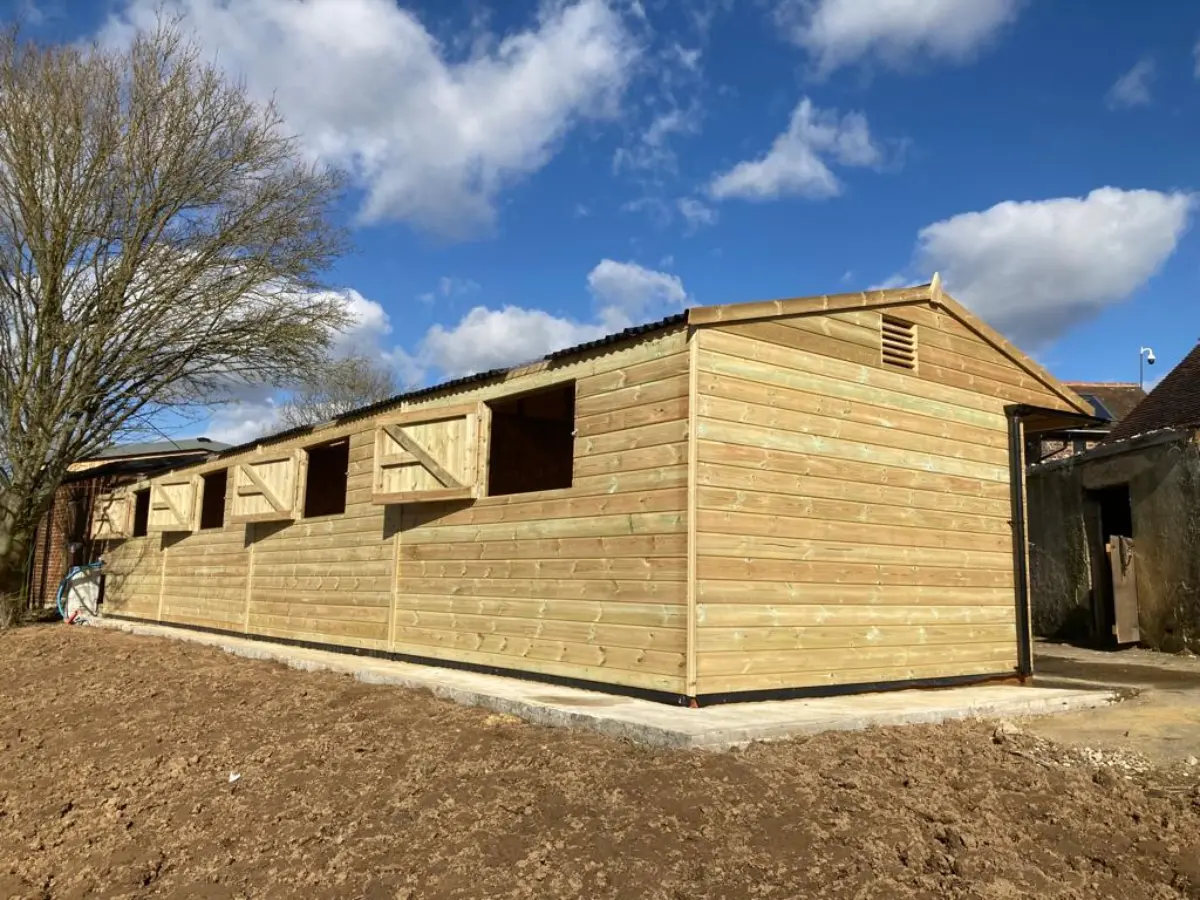
A good roof overhang helps protect the front of the stable from driving rain, keeping doors, cladding and entrances drier.
Guttering and downpipes are also important. They carry rainwater away from the roof rather than allowing it to run down the building or collect around the base.
Check the roof, guttering and downpipes regularly so you can deal with leaks or blockages before they cause a bigger damp problem.
Our stable maintenance guide covers the regular checks that can help keep your timber stables in good condition.
Remove sources of moisture
Wet bedding can add moisture to the air, so remove it regularly rather than leaving it sitting in the stable.
Avoid leaving wet rugs to dry inside the stable too. Store hay, straw and unused bedding somewhere dry and away from damp walls or floors.
How do you stop condensation in stables?
Condensation forms when warm, moist air inside the stable comes into contact with colder surfaces. Good ventilation helps moisture escape before it collects on walls, windows and roofing.
Keep fresh air moving through the stable without creating uncomfortable draughts around your horse.
Cross-ventilation can help move air through the stable, while high-level ventilation allows warmer air to escape. Top doors, windows and vents can all help improve airflow.
If you're planning new stables, our guide to stable design covers ventilation, positioning and other features to consider.
How do you get rid of mould in a stable?
Start by finding and dealing with the source of the moisture. This could be a leaking roof or gutter, poor drainage, wet bedding or not enough ventilation.
Remove damp bedding, hay and anything else that's been affected. Clean mould from suitable stable surfaces and allow the area to dry thoroughly before putting fresh bedding or forage back.
Keep horses away while you're cleaning and make sure any cleaning product you use is suitable for use around horses.
Is mould bad for horses?
Yes. Mould releases spores into the air that horses can breathe in. These can irritate their airways and cause respiratory problems, especially in horses that are already sensitive to dust or mould.
Never feed hay or other forage that has become visibly mouldy or smells musty.
If your horse starts coughing, has nasal discharge or you notice any other change in their breathing, ask your vet for advice.
What happens if a horse eats mouldy hay?
Mouldy hay can contain mould spores and mycotoxins, which can cause problems such as reduced appetite, diarrhoea and an upset stomach.
If your horse has eaten mouldy hay and seems unwell, contact your vet.
Choose Colt timber stables
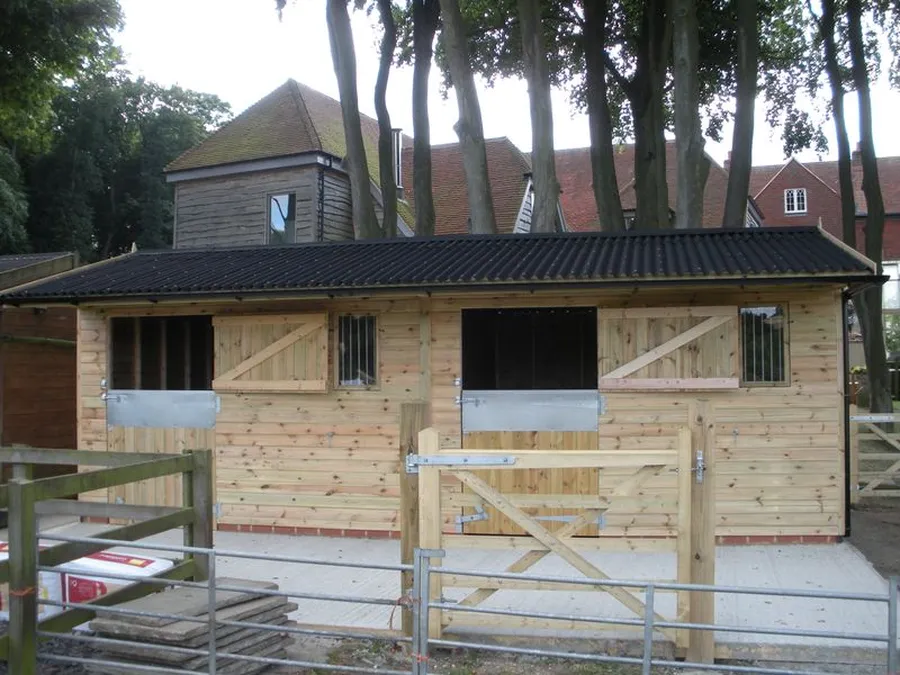
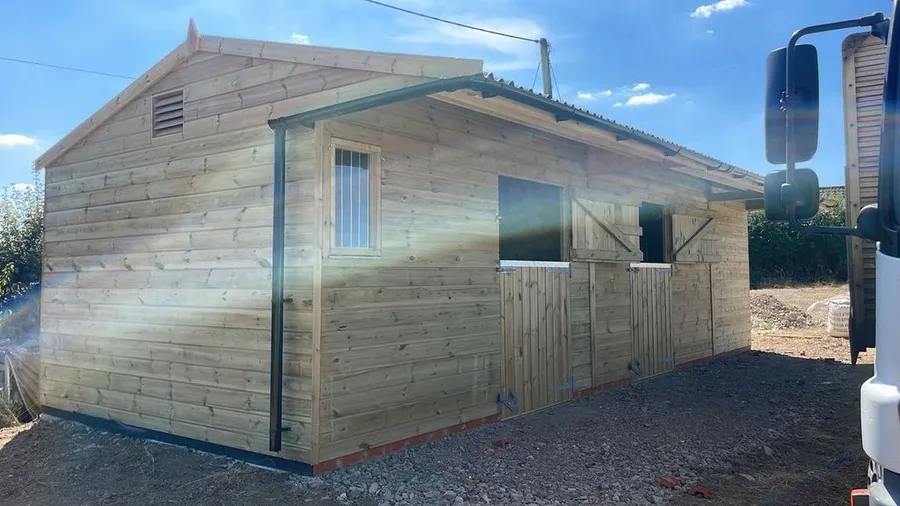
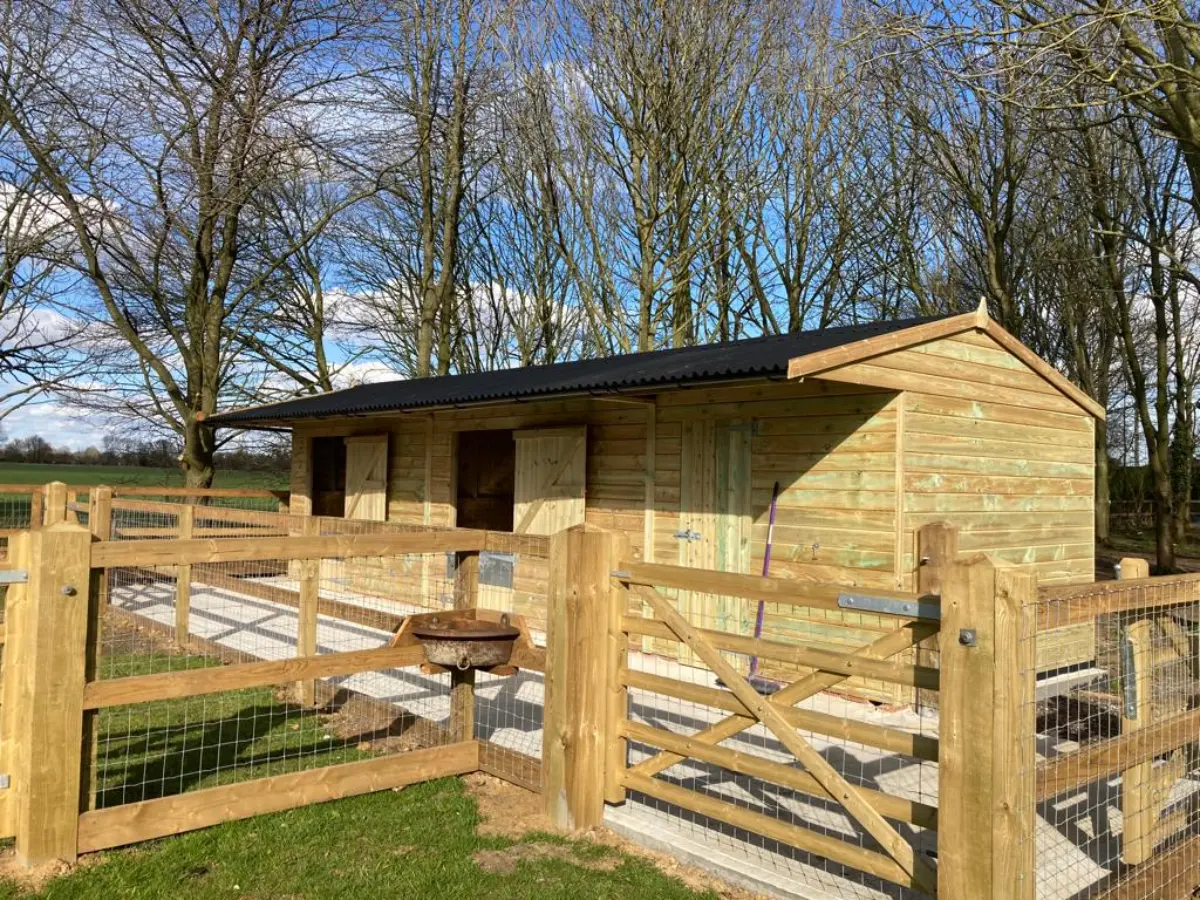
Colt timber stables include several features that help with ventilation and keeping rainwater away from the building.
Our stable blocks include pressure-treated shiplap cladding, a 1.2m front canopy and guttering as standard. You can also choose options such as additional windows and vents to increase airflow depending on your stable design.
Take a look at our timber stables, or get in touch with the Colt Stables team to discuss your requirements.
Frequently Asked Questions
Can damp damage wooden stables?
Yes. If timber stays wet for long periods, it can eventually deteriorate. Good drainage, guttering and regular maintenance will help protect your stable.
Should you leave stable windows open in winter?
Good ventilation is still important during winter. Keep air moving through the stable without creating strong draughts around your horse.
Can wet bedding cause damp in a stable?
Yes. Wet bedding adds moisture to the stable, so remove it regularly and replace it with clean, dry bedding.
Why does my stable smell musty?
A musty smell can be a sign of damp or mould. Check bedding, walls, corners, roofing and stored hay for moisture or visible mould.