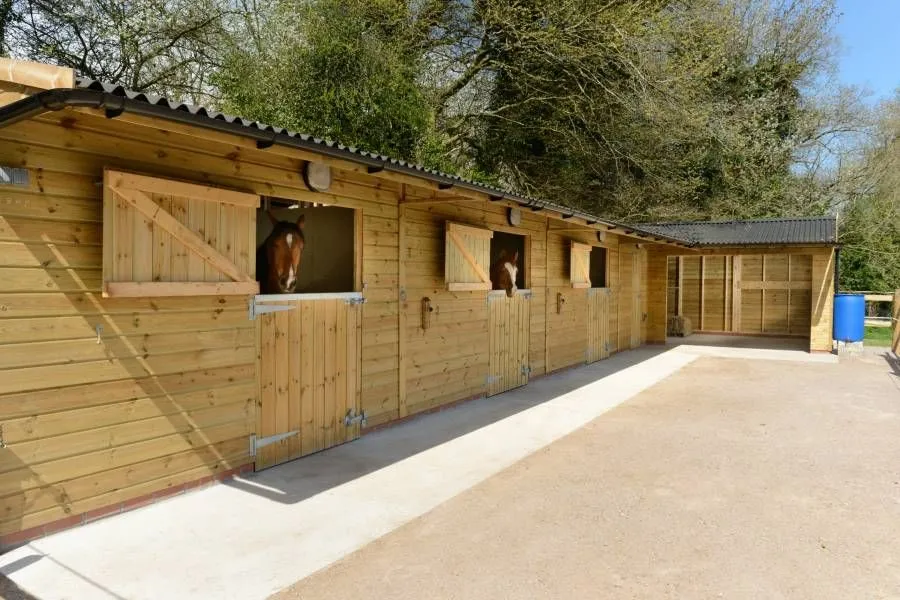
Horse Stable Cost: What Drives Prices & How to Save
How much does a horse stable cost? Find out what affects the price of timber stables, from size and materials to groundwork and installation, plus ways to keep costs down.
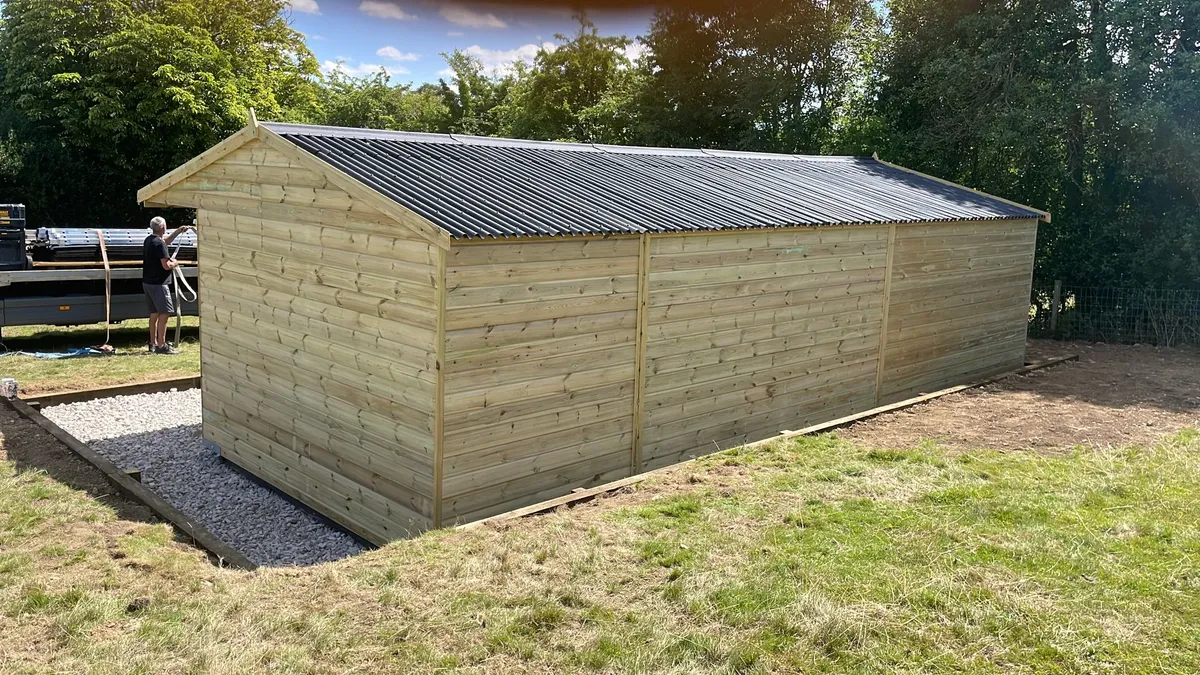
How much do horse stables cost in the UK?
It depends on the size, layout and specification you choose. At Colt Stables, our wooden stables currently start from £2,462 + VAT.
Horse stable costs at a glance
Here's what can make the biggest difference to your budget:
- Stable size: A single stable costs less than a larger block with several boxes
- Layout: Straight runs are usually cheaper than L-shaped or U-shaped blocks
- Installation: Choosing a DIY kit can save 10% of the purchase price
- Groundworks: Levelling, drainage and preparing a suitable base will add to the final cost
- Extras: Tack rooms, additional doors, windows and other options will increase the price.
The easiest way to get an accurate figure is to decide what you need and request a quote.
What Affects the Cost of Wooden Stables?
Size And Layout
The larger the building, the more materials and labour are required.
A single 12ft x 12ft stable is usually the most affordable option, while L-shaped blocks, additional bays, tack rooms, or covered walkways tend to cost more.
Materials
The timber, cladding and roofing you choose will all affect the price of your stable and how well it lasts.
Key details to pay attention to include:
- Framing thickness
A solid frame, such as 75mm x 50mm timber, creates a stronger structure that stands up well to daily use and harsh weather. Lighter options may not last as long. - Cladding type and thickness
16mm (12mm finished) pressure-treated shiplap is a good benchmark for a robust, weather-resistant exterior. Thinner or untreated cladding can lower the initial price but may need replacing sooner. - Roofing materials
Heavier or premium roofing systems cost more, while budget options don't usually last very well. Options such as Onduline or Onduvilla sheets offer a good balance between strength, weight, and affordability.
Labour and Installation
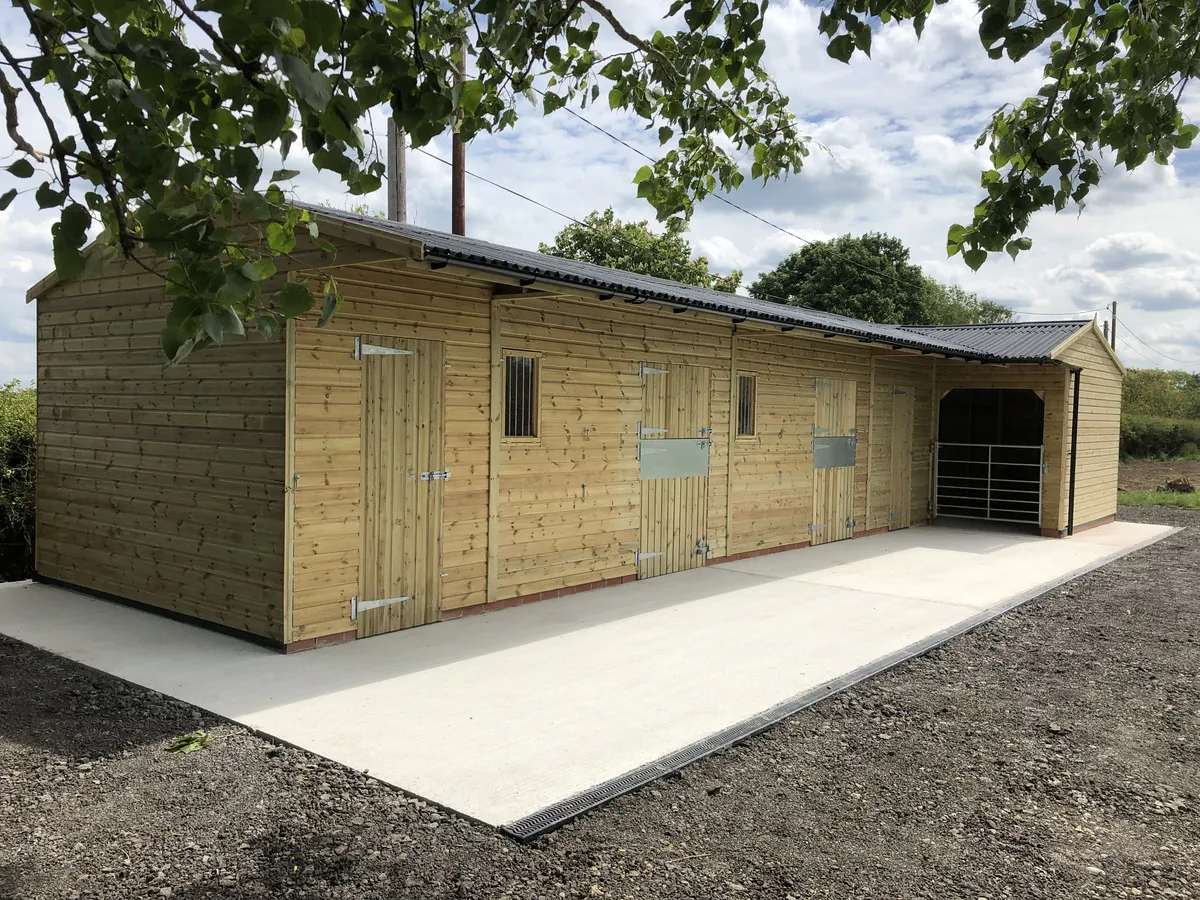
Some suppliers sell DIY kits, while others provide a full installation service.
A build-it-yourself option is usually more affordable and can work well if you’re confident with assembly work or have someone to help.
At Colt Stables, we offer both options, so you can choose based on what suits your budget and timeline.
Groundworks and Site Preparation
Depending on your land, you may need some or all of the following:
- Levelling uneven ground
- Hardstanding to create a firm surface around the entrance
- Drainage to prevent water pooling
- Concrete bases to support a permanent structure.
The more preparation the site needs, the higher the cost, which is why choosing the right location can make a big difference to your budget.
Optional extras
Adding extra features to your stable will also increase the cost.
These can include:
- Overhangs or extended canopies
- Internal lining boards
- Extra ventilation or windows
- Additional doors, partitions, or storage spaces
- Covered walkways
- Tack rooms, wash down bays, feed rooms, and hay stores.
How can you reduce the cost of building stables?
Choose the Right Size for Your Needs
Size has a big impact on cost, so it’s worth being realistic about what you need.
You always can build extra boxes and rooms later on, when you have the budget, if you leave room for it.
If you're not sure how much space you need, read our guide to choosing the right stable size for your horse.
Reduce Groundwork Costs
You can reduce groundwork costs by building in an area that doesn't need much preparation.
- Choose a naturally flat area
The less levelling required, the lower your groundwork costs. - Pick well-drained ground
Choose firm, free-draining soil, which usually needs the least preparation. Avoid low, boggy areas that might need drainage or reinforcement. - Use existing access routes
If you can, position the stable where vehicles can reach it easily, so you don't need to put in temporary tracks. - Clear any vegetation yourself
Remove brambles, overgrowth, or small saplings before the builder shows up.

Consider Mobile Stables
Mobile stables are worth considering if you want to keep groundwork to a minimum.
They're often a more affordable option because they usually:
- Don’t require a concrete abase
- Need less site preparation
- Don't need for heavy machinery during installation
- Can usually keep planning-related costs lower
- Often don’t need drainage systems
- Are quicker to build and install.
They can also give you more flexibility if you want to move your stables around your land.
Keep the Design Simple
Features such as overhangs, partitions, tack rooms, extra doors, and other custom details add to the overall price.
To keep costs down, opt for a straightforward layout built with strong, reliable materials.
Our guide to stable design covers the different layouts, materials and features to think about when planning your block.
Build in Stages
If you plan to add more boxes or rooms in the future, you don’t have to build everything at once.
Starting with the essentials, like a single box or a small run, keeps the initial cost manageable.
You can then add more stables or facilities later as your yard grows.
Look for Value, Not Just the Lowest Price
Don't choose on price alone. Check the framing, cladding, roofing and what's included in the price so you can compare like for like.
How much do Colt wooden stables cost?
Colt wooden stables start from £2,462 + VAT, with the final price depending on the size, layout and extras you choose.
Our stables are built from sustainably sourced, pressure-treated timber, with 75mm x 50mm framing and 16mm (12mm finished) shiplap cladding. Each stable also comes with OSB kick-board lining to 1.2m, a 1.2m front canopy, guttering and Onduline roofing as standard.
You can choose a simple 12ft x 12ft or 14ft x 12ft stable, or create larger L-shaped and U-shaped blocks with corner units, tack rooms, wash bays and hay barns. Optional extras include clear roof sheets, rear top doors, vents, windows and talk grilles.
If you want to keep costs down, you can choose a DIY kit, which includes everything you need to assemble your stable yourself and saves around 10%.
Frequently Asked Questions About Horse Stable Cost
How much does a 12ft x 12ft horse stable cost?
The price will depend on the supplier and specification you choose. Colt wooden stables start from £2,462.
Is it cheaper to build your own horse stable?
Yes, it can be. If you're happy to put your stable together yourself, Colt's DIY kit can save you around 10%.
What other costs do I need to think about?
Don't forget to budget for things like groundworks, drainage, delivery and installation. You may also have planning costs depending on your project.
Are mobile stables cheaper than fixed stables?
They can be, especially if you can save on groundwork. The final cost will depend on the stable you choose and your site.