Where should you put a mobile field shelter?
Learn how to position a mobile field shelter around the ground, weather, field boundaries and access for moving it.
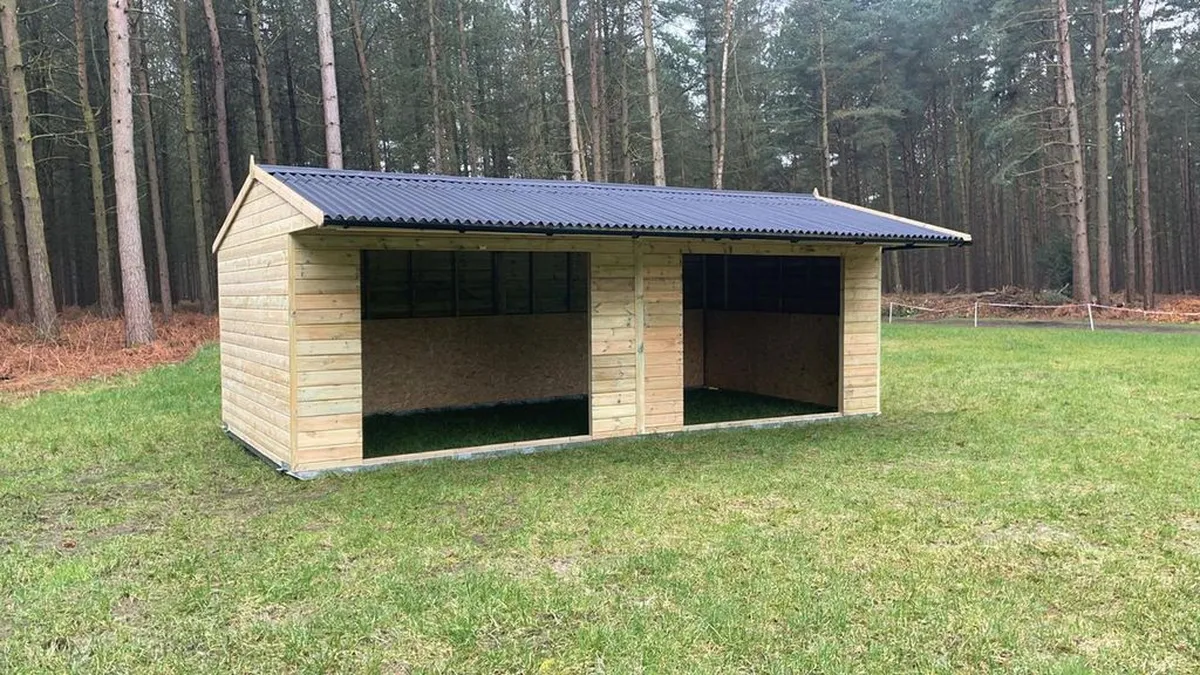
Where Is the Best Place for a Mobile Field Shelter?
Put your mobile field shelter on firm, reasonably level and well-drained ground.
The best position depends on your field, the weather and how your animals use the building.
Field Shelter Location Checklist
Consider:
- Protection from prevailing winds
- Shade during hot weather
- Space around fences and boundaries
- Safe access for every animal
- Access for the towing vehicle
- Unsafe trees and overhead hazards.
As conditions change, you can move the shelter to a different position.
Which Direction Should a Field Shelter Face?
Face the enclosed back towards the prevailing wind so the opening is protected from strong winds and driving rain.
There is no single direction that works for every field, so also consider local weather, shade and nearby shelter.
Choose Firm, Well-Drained Ground
Look at how the ground slopes before choosing a position. If possible, place the shelter higher up, as water can collect at the bottom of a slope and create deep mud around the opening. This makes the shelter harder for you and your animals to use.
The building needs firm, reasonably level ground so it stands securely and any doors or gates work properly.
Check the area after heavy rain. Ground that stays dry in summer may become waterlogged during winter.
Consider Sun and Natural Shelter
Nearby hedges, hills and buildings can provide useful protection from the weather, but make sure they do not block access or airflow.
Watch how the sun moves across the field so the shelter provides shade during the hottest part of a summer day.
Trees can also provide shade, but avoid placing the building beneath unsafe or overhanging branches. Falling branches could damage the shelter and injure the animals inside.
Leave Safe Space Around Boundaries
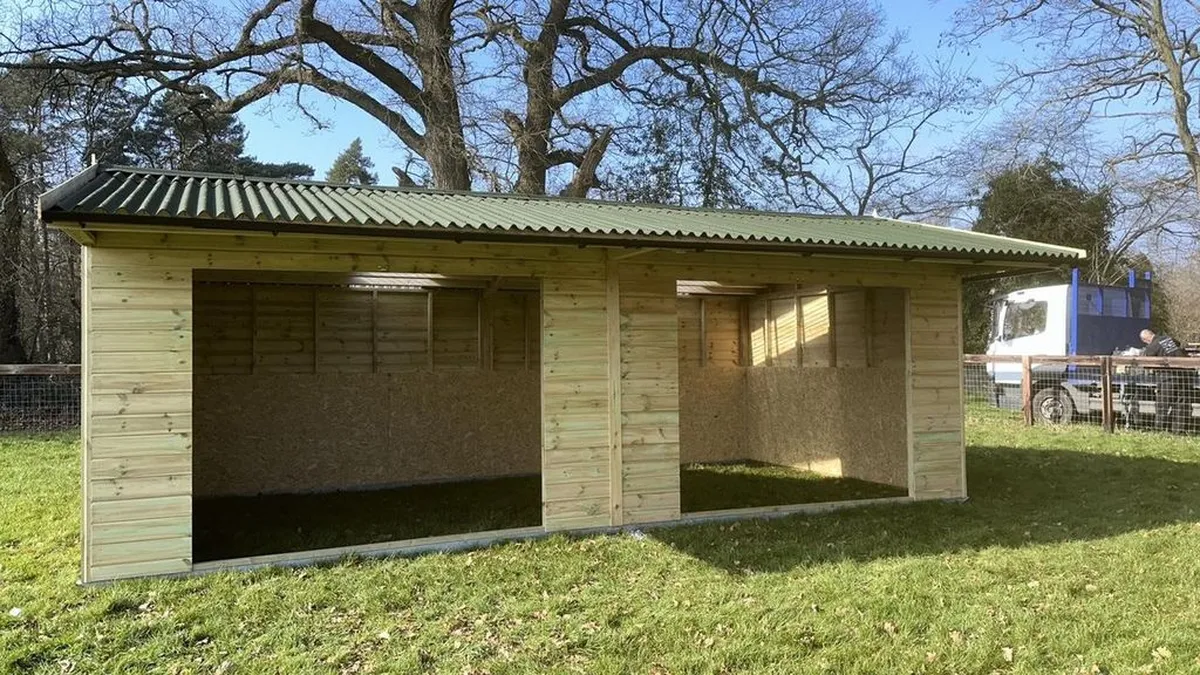
There is no standard distance from a boundary, so consider the shelter’s size, the animals using it, access and any planning requirements that apply to your field.
Leave enough room for the animals to move safely around the building.
Avoid leaving a narrow gap between the shelter and a fence where an animal could become trapped. This is especially important when several animals share the field, as one may block or push another into the space.
Make Sure Every Animal Can Use the Shelter
Every animal should have a safe route into and out of the shelter without passing through a narrow space.
Think about how many animals will use it and how they behave around each other. Leave plenty of room around the opening so one animal cannot easily block the others.
Our guide to choosing the right mobile field shelter size explains how to allow for the number and size of animals using it.
Plan How You Will Move the Shelter
Make sure a tractor or 4×4 can reach the building throughout the year. You will also need enough room to line up the vehicle, attach the towing chain and turn safely.
Check the whole route before moving the shelter.
Look for:
- Soft or waterlogged ground
- Steep slopes
- Tight gateways
- Ditches and uneven surfaces
- Low branches
- Fences and other obstacles.
Different skid types suit different ground conditions and moving patterns. Read our article about timber and metal skids before choosing your building.
Secure the Shelter Against Strong Winds
Even a heavy timber shelter may need securing in an exposed field. Use strong removable anchors so you can still move the shelter when needed.
Check the anchors and fittings after moving the shelter and before severe weather. Our guide to securing a field shelter explains the options.
Move the Shelter When Conditions Change
You can move your field shelter when the ground, weather or grazing arrangements change.
Consider moving it if:
- Mud forms around the opening
- The ground becomes badly worn
- The direction of the weather changes
- Another part of the field offers better shade
- You change your grazing or paddock arrangement.
Try to move the shelter before the ground becomes too wet for your towing vehicle.
Find the Right Mobile Field Shelter
Colt mobile field shelters give your animals a strong, practical place to escape the sun, wind and rain.
Choose from several sizes and timber or metal skids to suit your animals, land and how often you plan to move the building.
Explore our mobile field shelters, or contact the Colt team to find the right option for your field.
Frequently Asked Questions
How far should a field shelter be from a boundary?
There is no set distance. Leave enough room for animals to move safely and for you to access the building. Check with your Local Planning Authority if you are unsure.
Should a field shelter face away from the wind?
Yes, where possible. Face the enclosed back towards the prevailing wind to protect the opening from strong winds and driving rain.
Can you put a mobile field shelter under trees?
Nearby trees can provide shade and shelter, but avoid unsafe trees and overhanging branches.
Can you put a field shelter on sloping ground?
A gentle slope may help with drainage, but the shelter still needs firm, reasonably level ground. Avoid steep, uneven or waterlogged areas.
How often should you move a mobile field shelter?
There is no set schedule. Move it when the ground, weather or grazing arrangements change.