Buying Your First Horse Stable: A Practical Guide
Find out what to consider when choosing your first horse stable, from building size and timber quality to planning, costs and installation.
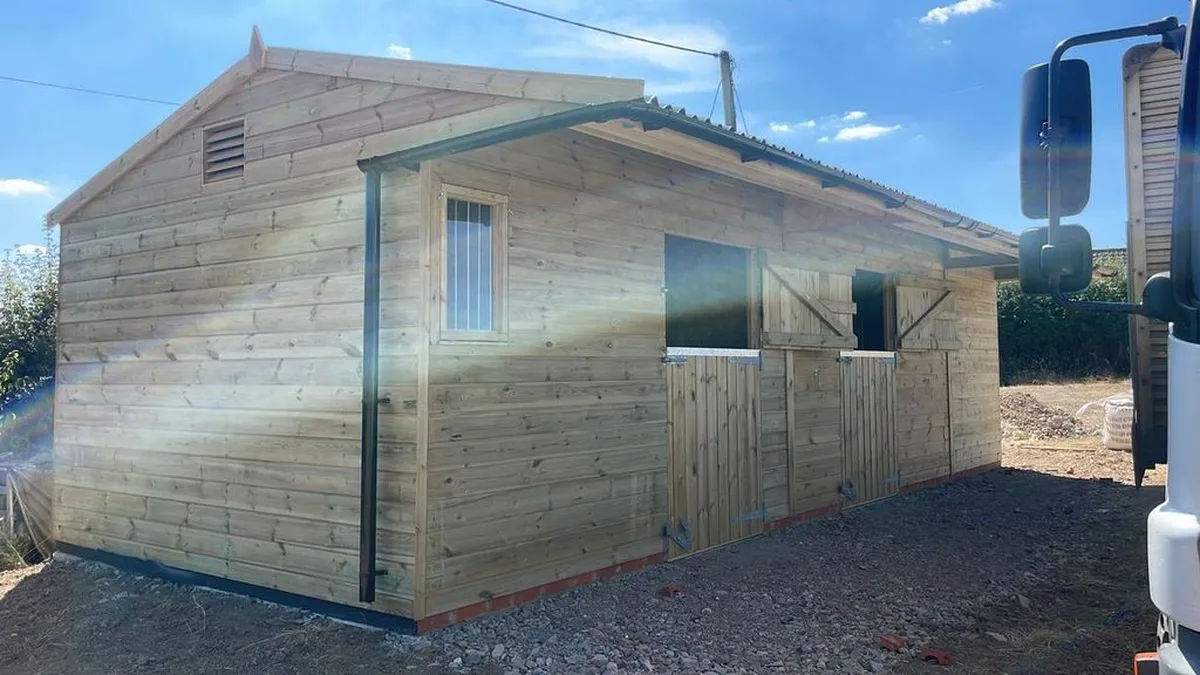
What Should You Consider When Buying Your First Stable?
Before buying your first stable, check:
- The number and size of the horses you need to house
- Whether you need planning permission
- Whether a fixed or mobile stable suits your land and plans
- The quality of the timber, framing, cladding and roofing
- Which safety and ventilation features come as standard
- Whether you need groundworks or a concrete base
- The full cost of the building, delivery and installation
- Whether the supplier provides a guarantee and support after installation
- Whether you may need more boxes or storage in the future.
How Much Does a First Stable Cost?
A first stable can cost several thousand pounds, depending on its size, specification, delivery and installation.
Colt’s fixed wooden stables currently start from £2,462 including VAT, but groundworks and optional features can increase the total project cost.
Remember to budget for:
- Site preparation and drainage
- A concrete base for a fixed building
- Delivery and installation
- Planning applications or professional advice
- Water and electricity, if needed
- Optional doors, windows or storage
- Ongoing maintenance.
Prices can change, so request a full quote before making a decision.

Questions to Ask Before Buying a Stable
How Many Stable Boxes Do You Need?
Allow one box for each horse that needs to be stabled at the same time.
The box must give the horse enough room to turn, lie down and stand comfortably.
The right dimensions depend on the horse’s size and how it will use the stable. Colt offers standard 12ft × 12ft boxes and larger 14ft × 12ft boxes for bigger horses or those needing more room.
Our guide to choosing the right stable size explains the available dimensions in more detail.
Also, think about your future plans as well as your current needs. If you may buy another horse or need storage later, choose a layout that you can extend.
Should You Choose a Fixed or Mobile Stable?
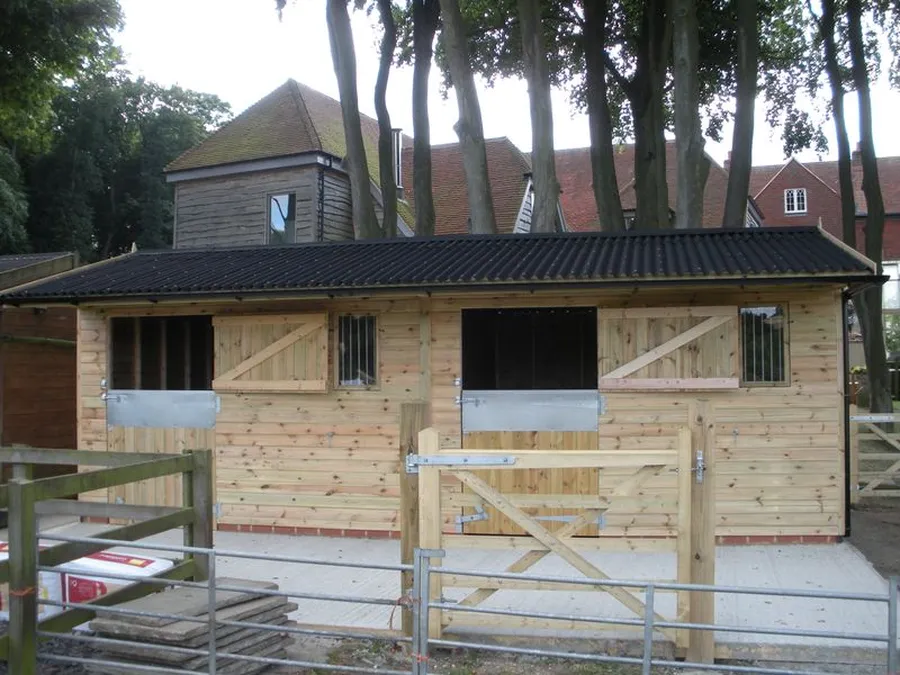
A fixed stable works well if you want a permanent yard, a larger block or a more complex layout. It normally needs a concrete base and brick course.
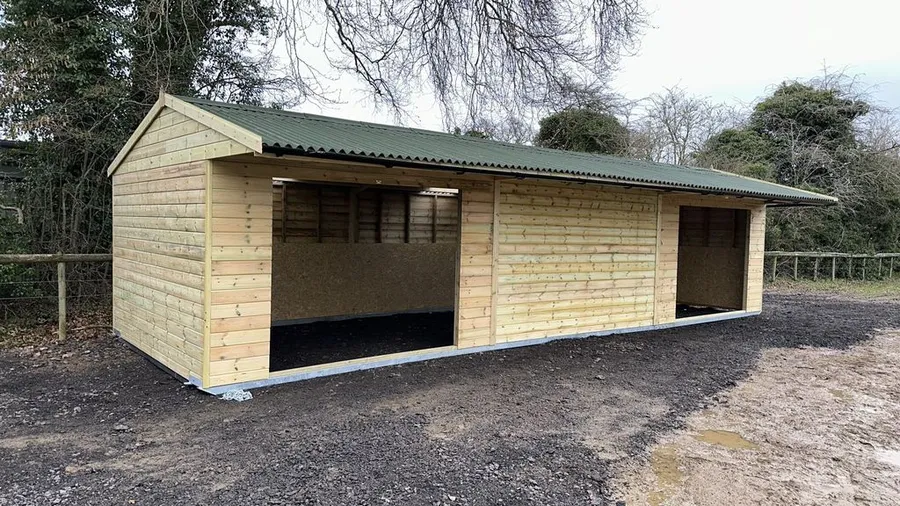
A mobile stable may suit you better if you rent the land, rotate paddocks or think your needs may change. It sits on skids, so you can reposition it without permanent foundations. However, you still need firm, reasonably level ground and a suitable towing vehicle.
Explore Colt’s fixed timber stables and mobile stables to compare them.
Will You Need Planning Permission for a Stable?
You may need planning permission for a fixed stable or if keeping horses changes how the land is used. The rules depend on the building, its location and any restrictions on the site.
A mobile stable may not need permission if it stays movable.
Check with your Local Planning Authority before ordering.
Our guide to planning rules for mobile stables and field shelters explains more.
How Does This Stable Compare With Other Options?
Look at the full specification rather than the appearance or starting price.
Check:
- The thickness of the timber frame
- The type and finished thickness of the cladding
- Whether the external timber is pressure treated
- The internal lining or kickboards
- The doors, hinges and fastenings
- Anti-chew protection
- The roof and its support
- Ventilation and natural light
- Guttering and weather protection
- What the guarantee covers.
A cheaper stable may use thinner materials or include fewer features. Ask the supplier for a written specification so you can make a fair comparison.

Is the Timber Properly Treated?
Make sure the stables are made from pressure-treated external timber so they are protected against rot and insect attack.
Ask the supplier which parts are treated, what guarantee they provide and whether you need to apply any further treatment after installation.
You should also check how to maintain the timber over time.
What Should You Look for in a Stable Supplier?
Choose an experienced supplier that provides a clear, detailed specification.
Check what is included in the price, how delivery and installation work and what support you will receive afterwards.
Look at completed projects and customer reviews before ordering.
The supplier should also take the time to understand your horses, land, budget and plans before recommending a building.
What Should You Prepare Before Delivery?
Make sure the site is ready and easy to reach before your stable arrives.
Fixed stables need a base prepared according to the manufacturer’s plan.
Mobile stables need firm, reasonably level ground and enough space for delivery and installation.
Check gates, access tracks, low branches and turning space before booking delivery.
Choose Your First Stable With Colt
Colt Stables builds practical fixed and mobile stables using pressure-treated timber. Choose the size, layout and features that suit your horses, land and budget.
We offer nationwide installation, or you can save 10% on the unit price with a DIY kit.
Explore our wooden stables and mobile stables, or contact the Colt team for help choosing your first building.
Frequently Asked Questions
What size should your first horse stable be?
A 12ft × 12ft stable suits many horses, while larger horses may need a 14ft × 12ft box. Choose the size based on the individual horse.
Are mobile stables suitable for first-time owners?
Yes, if you have suitable land and want more flexibility. Make sure you know how to position, secure and move the building.
Can you add more stable boxes later?
You can often extend a timber stable block. Tell your supplier about your future plans so the first layout leaves room for more boxes.
Are DIY stable kits suitable for beginners?
A DIY kit may suit you if you have the right tools, time and practical skills. Choose professional installation if you are unsure about building it yourself.
What should you ask a stable supplier?
Ask what the price includes and check the materials, standard features, guarantee, delivery, installation and site requirements. Request a written specification and full quote before ordering.