Field Shelter Skids: Timber or Metal?
Not sure whether to choose timber or metal skids for your mobile field shelter? Compare the benefits of each option and find out which is best for your needs.
Timber vs metal skids: A quick comparison
- Cost: Timber skids come as standard, while metal skids are an optional extra
- Weight: Timber skids are lighter, while metal skids add some extra weight to the shelter
- Moving your shelter: Timber works well for occasional moves, while metal is better if you'll be moving your shelter regularly or over longer distances
- Ground conditions: Metal skids are the better option if you need to move your shelter over uneven ground
- Durability: Both are built to last, but metal skids can better handle extra wear.
What are skids on a field shelter?
Skids form the base of a mobile field shelter.
They reduce friction between the shelter and the ground, so you can tow without damaging the structure.
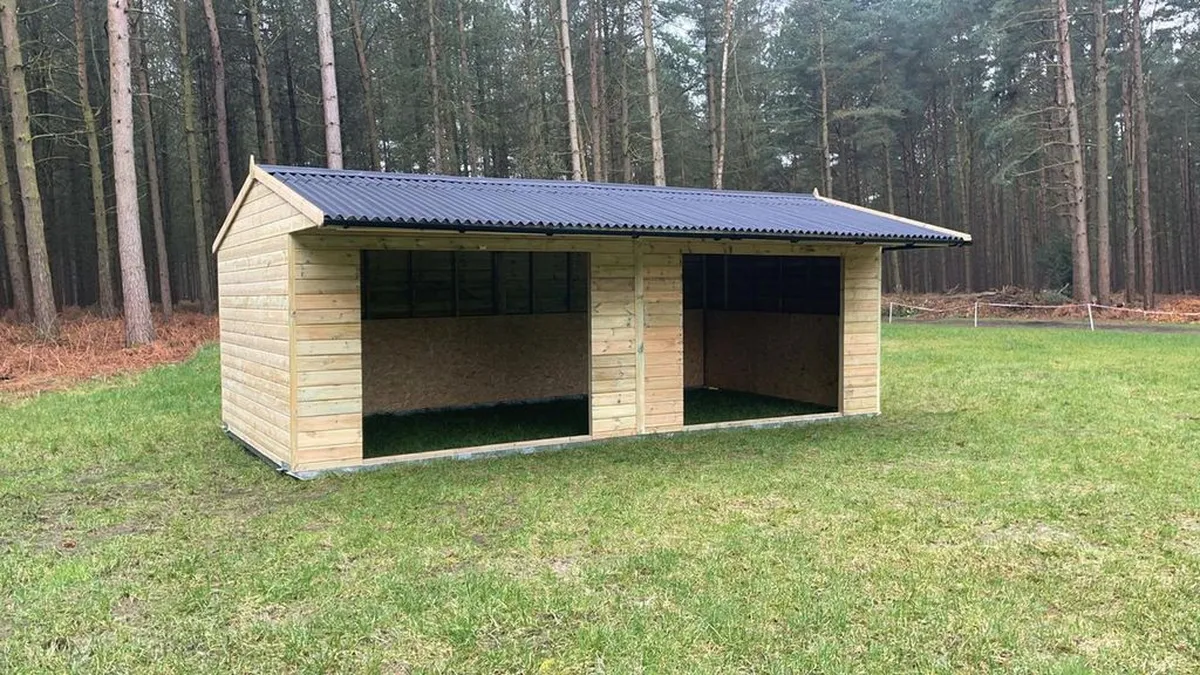
At Colt Stables, our mobile field shelters can be fitted with either timber or metal skids, with towing points at both ends.

Timber skids for mobile field shelters
One of the main advantages of timber skids is their lighter weight. This makes the shelter easier to tow and can help reduce damage to the ground when you move it.
If you're only planning to move your field shelter occasionally, timber skids are a practical and cost-effective choice.
Timber skids come as standard with all Colt Stables mobile field shelters. We use pressure-treated 150mm x 75mm (6” x 3”) timber, supported by 50mm x 50mm x 4mm steel sections for extra strength and durability.

Metal skids for mobile field shelters
Metal skids are a stronger, more durable option than timber skids. Despite the extra weight, you can still tow your shelter with a tractor or 4x4.
Our 80mm x 40mm (3¼” x 1½”) galvanised steel skids are a good choice if you plan to move your shelter regularly, over longer distances or across uneven ground.
Do you need planning permission for a field shelter on skids?
You generally won't need planning permission for a field shelter on skids if it's genuinely mobile and doesn't become a permanent structure.
Make sure you can tow the shelter around your land and move it from time to time. Avoid permanent foundations or connections that could make it look more like a fixed building.
Planning can also depend on how you use the land, so check with your local planning authority if you're unsure.
You can also read our guide to planning permission for field shelters for more information.
How do you stop a field shelter blowing away?
Mobile field shelters need to be properly secured, especially if they're in an exposed spot or strong winds are forecast. The right way to secure yours depends on the shelter, its location and the ground conditions.
We recommend anchoring your shelter securely to the ground once you've moved it into position. You can find out more about the different ways to do this in our guide to securing your field shelter.
Find the right mobile field shelter
Whether you choose timber or metal skids, we can help you choose the right mobile field shelter for your horses and land.
Our mobile field shelters are available in a range of sizes and can be tailored to suit your requirements. If you're not sure which size, layout or skid option would work best, our team is always happy to talk through the choices with you.
Take a look at our mobile field shelters to see the options available, or get in touch with the Colt Stables team to discuss what you're looking for.
Frequently Asked Questions
How easy is it to move a field shelter?
It will depend on the size of your shelter and the ground conditions. Colt mobile field shelters have towing points at both ends and can be moved using a tractor or 4x4..
How often can you move a mobile field shelter?
You can move a mobile field shelter whenever you need to, as long as you can do it safely and the ground conditions are suitable.
What should you put on the floor of a field shelter?
A well-draining, level base is important for keeping a field shelter dry and comfortable. The best flooring will depend on the ground conditions and how you use the shelter. Good options include road planings, rubber mats and other suitable surfaces. You can read more about these in this article.
Which direction should a field shelter face?
If possible, position the opening away from the prevailing wind and driving rain. Take into account how exposed your field is and the weather it usually gets.