How to Secure a Mobile Field Shelter
Find out how to secure a mobile field shelter against strong winds without stopping it from being moved when needed.
How Do You Stop a Field Shelter From Blowing Away?
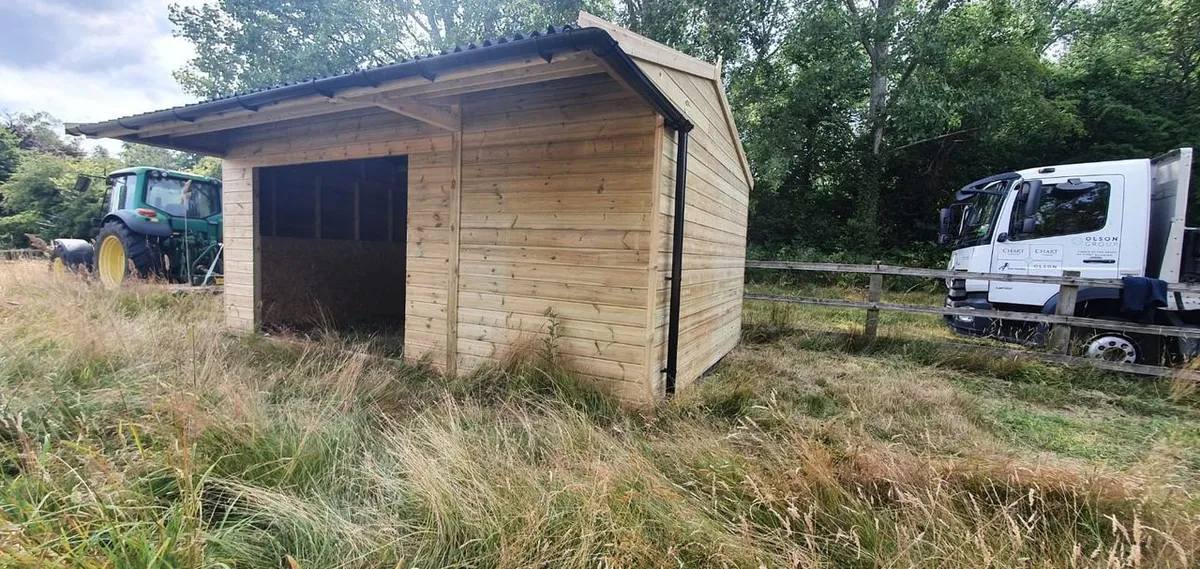
Use removable ground anchors and position the enclosed back of the shelter towards the prevailing wind.
The right anchoring system will depend on the shelter, soil and exposure of the site.
Securing a Field Shelter at a Glance
- Choose a sheltered position where possible
- Face the enclosed back towards the prevailing wind
- Use suitable removable ground anchors
- Use every anchoring point specified by the manufacturer
- Check the soil around each anchor
- Tighten loose brackets and fixings
- Inspect everything after moving the shelter
- Act before strong winds arrive.
Position the Shelter Carefully
Place the field shelter away from exposed areas where possible. Hills, safe hedges and other natural features may help protect it from strong winds.
Face the enclosed back towards the prevailing wind to stop gusts entering the open front and pushing against the building.
Avoid unsafe trees or anything that could fall onto the shelter. Our guide to choosing a mobile field shelter location explains what else to consider.
How Do You Anchor a Mobile Field Shelter?
Use removable ground anchors connected to the attachment points recommended by the manufacturer.
Depending on the system, the anchors may screw or drive into the ground and attach to brackets on the shelter.
Follow the shelter manufacturer’s instructions for:
- The type and size of anchor
- The number of anchors required
- The correct attachment points
- How deeply each anchor should be installed
- How often to check the system
- When anchors need replacing.
Don’t attach anchors to cladding, doors or other parts that aren’t designed to take the load.
If the shelter doesn’t have suitable attachment points, ask the manufacturer or an experienced installer for advice.
Before driving or screwing anything into the ground, make sure there are no buried pipes, cables or other services below the site.
What Ground Anchors Work Best?
The right anchor depends on the ground.
Screw-in earth anchors tend to work well in firm soil and can usually be removed when you move the shelter.
Driven anchors can work better in other types of ground, but they need to be the right size and fitted correctly.
Anchors may not hold securely in soft, wet or sandy ground. Hard or stony ground can also make them difficult to install deeply enough.
If you’re unsure, ask the anchor supplier, shelter manufacturer or a suitable installer to assess the site. Don’t assume that a longer or heavier anchor will automatically solve the problem.
Check Anchors and Fittings Regularly
Ground conditions change throughout the year. Heavy rain can loosen the soil around an anchor, while dry or freezing weather may also affect how securely it sits.
Check regularly:
- Whether any anchor has moved
- The condition of the surrounding ground
- Brackets and connection points
- Bolts, chains and other fittings
- Signs of bending, corrosion or damage
- Changes to the shelter’s position or level.
If you find any damage, replace the affected parts rather than trying to straighten or reuse them.
Prepare Before Strong Winds Arrive
Don’t wait until strong winds have started before securing or moving the shelter. Carry out the checks above while conditions are still safe.
Before severe weather:
- Close or secure gates according to the manufacturer’s advice
- Remove loose items from around the building
- Make sure the horses have another safe area if needed
- Follow the manufacturer’s severe-weather guidance.
Don’t try to move, repair or anchor the shelter during high winds. Contact the manufacturer if you’re concerned about the building, or your vet if you need advice about your horses.
Can You Use Hay Bales as a Windbreak?
Don’t rely on hay or straw bales to secure a field shelter. They aren’t designed or rated as an anchoring system and can move or collapse during severe weather.
Bales can also obstruct access, trap an animal against the building and add combustible material around the shelter.
Use a suitable anchoring system instead.
Will Anchoring Affect the Shelter’s Mobile Status?
Removable anchors don’t necessarily stop a shelter from being mobile. However, your Local Planning Authority may consider how the building is anchored, used and moved.
Read our guide to planning rules for mobile stables and field shelters and check with your Local Planning Authority if you’re unsure.
Choose a Mobile Field Shelter for Your Land
Colt mobile field shelters are built from pressure-treated timber and mounted on skids so you can reposition them as ground conditions and grazing arrangements change.
Choose from several sizes and timber or metal skids to suit your field and how often you expect to move the building. Our article about timber and metal skids explains the difference.
Explore our mobile field shelters, or contact the Colt team to discuss your animals, land and site conditions.
Frequently Asked Questions
Is it a legal requirement to anchor a field shelter?
There isn’t one rule for every field shelter, but you must make sure it’s safe. Follow the manufacturer’s advice and check with your insurer or Local Planning Authority.
Should you anchor a field shelter all year?
It depends on the shelter and how exposed the site is.
Can you secure a field shelter to a fence or tree?
No. A fence or tree may fail or damage the shelter. Use proper ground anchors.
What if the ground is too hard for anchors?
Don’t force them into the ground. Ask the manufacturer or an installer about another type of anchor or a different position.
How often should you check the anchors?
Check them regularly and before and after severe weather. Check them again whenever you move the shelter.
Can you move a shelter while it’s anchored?
No. Remove or disconnect every anchor before towing it.
Can you reuse ground anchors?
Some anchors can be reused. Check them for bending, rust or damage before fitting them again.