Hay Storage for Horse Yards: What to Consider
Plan safe, practical hay storage around the amount you buy, the type of bales, ventilation, access and fire risk.
How Should Hay Be Stored?
Store hay in a dry, well-ventilated building away from horses, ignition sources, vehicles, fuel and chemicals. Only store hay once it’s properly dry, as damp bales can heat up and create a serious fire risk.
Hay Storage at a Glance
Your hay store should:
- Hold the amount you need without unsafe stacking
- Keep rain and ground moisture away from the bales
- Allow air to circulate
- Protect hay from horses and pests
- Provide safe access for deliveries
- Leave enough room for inspection and handling
- Keep hay away from ignition sources
- Form part of your yard’s fire-safety plan.
How Much Hay Storage Space Do You Need?
There’s no single figure that works for every yard.
The space you need depends on:
- How many horses you feed
- How long the hay must last
- Whether you use small, round or large rectangular bales
- The size and weight of each bale
- How often you receive deliveries
- How high you can stack the bales safely.
Start by working out how many bales you normally use between deliveries. Measure your supplier’s bales and use their actual size when planning the space. Allow extra space for handling and access.
If your supplier changes the bale size or type, check how many will fit before making a new order.
How To Stack Hay
Build stable stacks that won’t lean or collapse. Keep the bales on a firm, raised surface and away from damp floors and walls.
Use supports that can safely hold the weight of the hay. Keep them in good condition and include any timber pallets or other supports in your fire risk assessment.
Don’t stack bales against electrical equipment, lighting or the roof. Leave enough room to inspect the hay and spot signs of damp, pests or heating.
The safe stacking height depends on the bales, equipment and building. Ask your hay supplier or a fire-safety professional if you’re unsure.
How to Spot Mould in Stored Hay
Check stored hay regularly for damp patches, discolouration, condensation, unusual smells or heat within the stack. These may be signs of excess moisture or poor airflow.
If you find damp hay, check for roof leaks, blocked gutters, damp walls or water around the building.
Don’t feed mouldy hay to horses, as it can make them unwell.
Why Can Damp Hay Become a Fire Risk?
Damp hay can heat up after it’s stacked. In some cases, the temperature can continue to rise until the hay catches fire.
Defra advises storing only dry hay and keeping it away from fuel, chemicals and other flammable materials.
Check hay for signs that it’s heating up:
- Unusual warmth
- Steam or condensation
- A strong, sweet or musty smell
- Browning or discolouration.
If you think a stack is overheating, don’t move or disturb it. Adding oxygen can make the situation worse. Leave the building and contact the Fire and Rescue Service.
Can You Store Hay Inside a Stable Block?
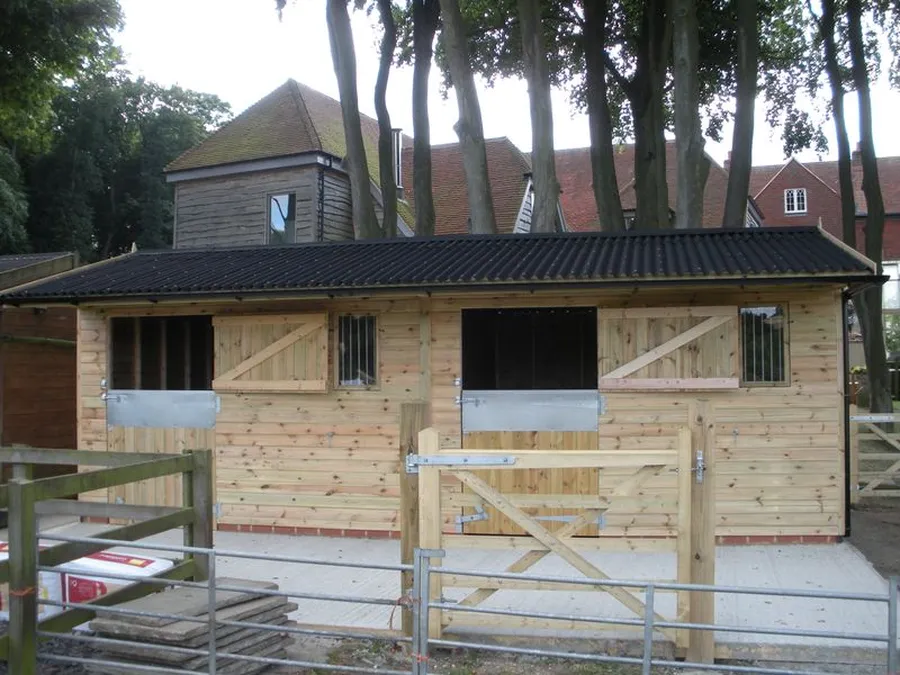
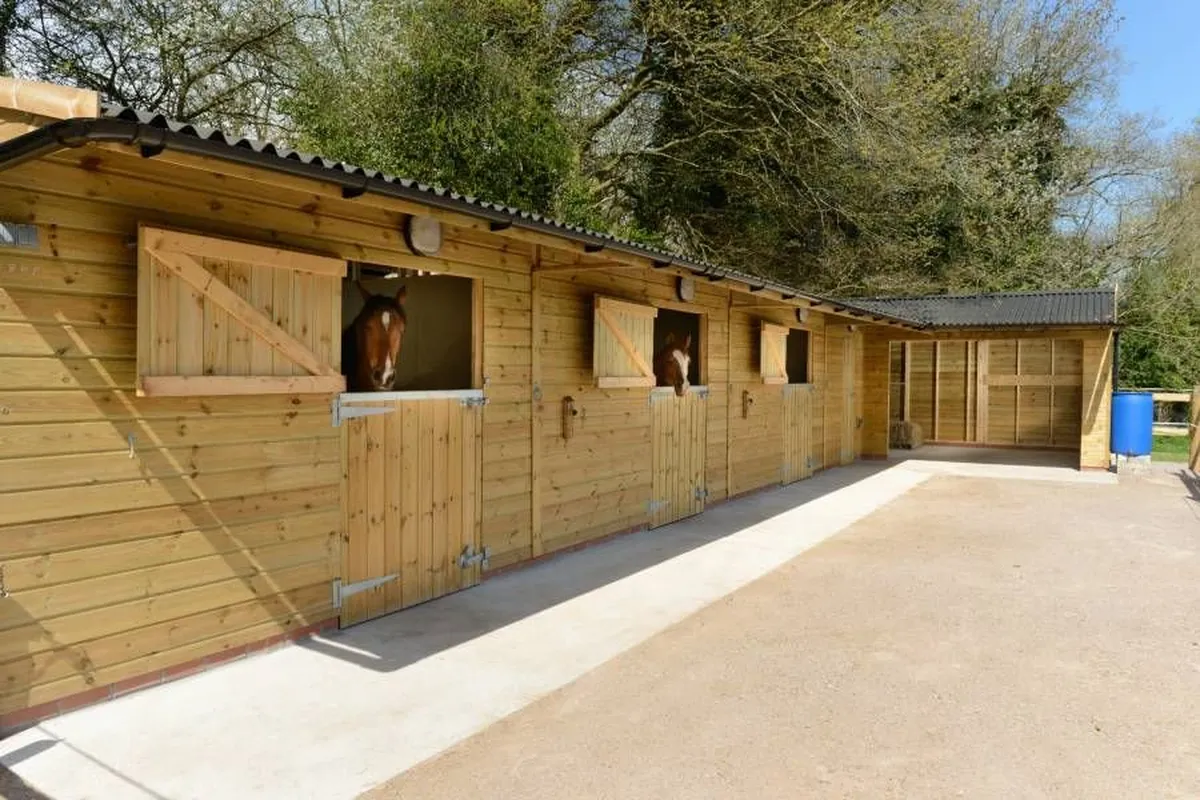
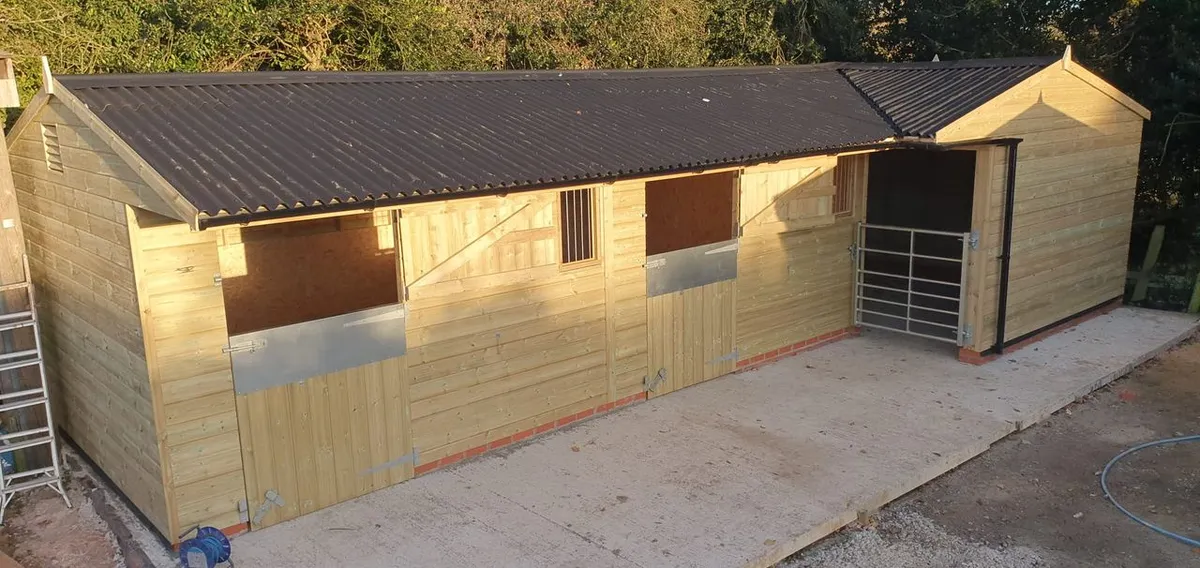
Yes. Colt Stables can include an open hay barn within your stable block for storing hay, straw and other yard materials.
As hay and straw are combustible, plan the barn’s position carefully. Consider fire separation, safe access and how you’ll keep stored materials dry and away from horses and ignition sources.
Our guide to stable design explains how storage and access fit into the wider yard layout.
Can You Store Hay in a Mobile Field Shelter?
An open-fronted mobile field shelter isn’t normally the best place to store hay. Driving rain, damp ground and open access can leave the bales exposed to moisture, animals and pests.
Using a field shelter for storage could also affect its planning status.
Where Should You Position a Hay Barn?
Choose a convenient position away from occupied stables and other buildings.
Make sure delivery vehicles can reach the hay barn, turn and unload safely.
Choose firm, well-drained ground and consider how wind could blow rain through the opening.
Do You Need Planning Permission for a Hay Barn?
You may need planning permission for a fixed hay barn. It depends on the building’s size, location and use, as well as the land and any local restrictions.
Check with your Local Planning Authority before ordering the building or preparing the ground.
Add a Hay Barn to Your Colt Stables
Colt can include an open 12ft × 12ft hay barn when designing your new timber stable block.
We’ll help you consider its position, access and how it fits into the wider yard layout.
Our buildings use pressure-treated timber and are available with nationwide installation or as DIY kits.
Explore our wooden stables, or contact the Colt team to discuss your stable block and storage needs.
Frequently Asked Questions
Should old or new hay be used first?
Use older suitable hay first so bales don’t remain forgotten at the back of the store. Never feed hay that has become damp or mouldy.
Can hay and feed be kept together?
They may be stored in the same building if the space is dry, secure and suitable. Keep everything organised and make sure the total amount doesn’t exceed the building’s safe capacity.